One-Click Consistency: How the Phil Chester Lightroom Presets Actually Hold Up Across Real Shoots

One-Click Consistency: How the Phil Chester Lightroom Presets Actually Hold Up Across Real Shoots

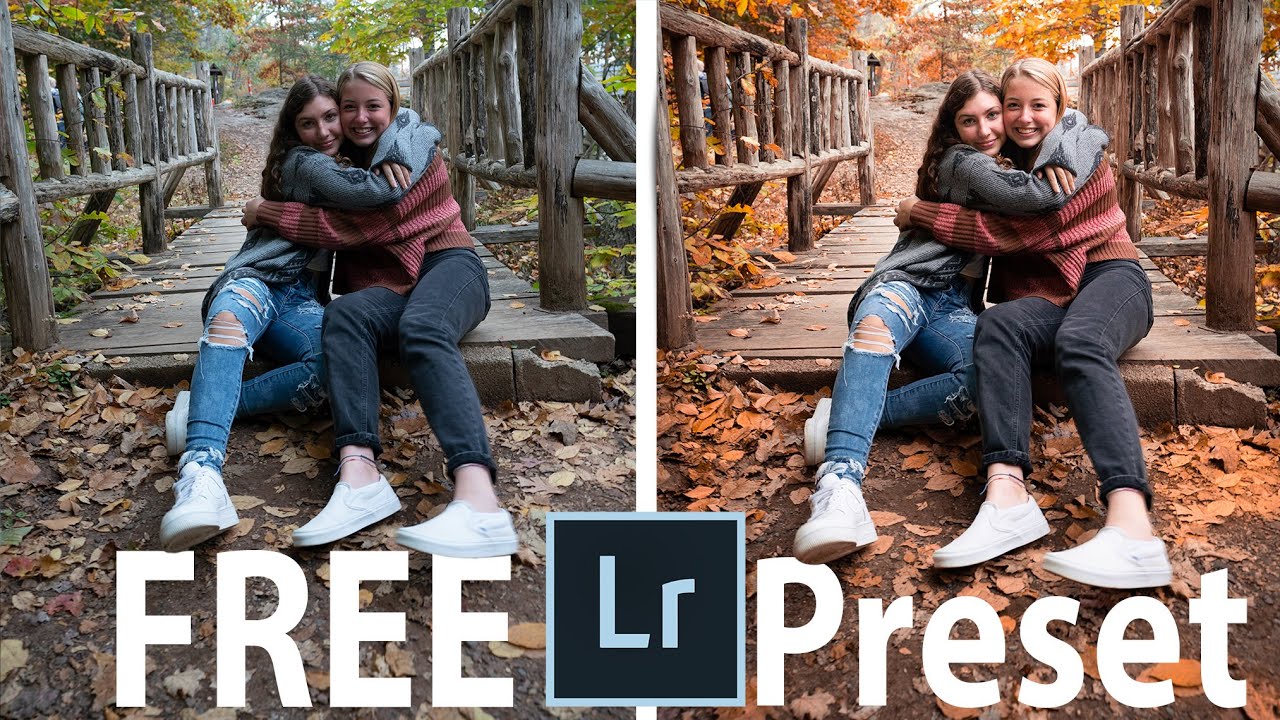
I’ve spent fifteen years in commercial photography studios watching editors burn hours on color work that should take minutes. The problem is rarely skill. It’s the absence of a reliable starting point. You can be an excellent retoucher and still waste forty-five minutes per image just trying to land on a baseline look that feels consistent with the last shoot. That inconsistency is what clients notice, even when they can’t articulate why a gallery feels “off.

Fake Light Rays That Actually Look Real: A Lightroom Brush Technique Worth Stealing

Fake Light Rays That Actually Look Real: A Lightroom Brush Technique Worth Stealing

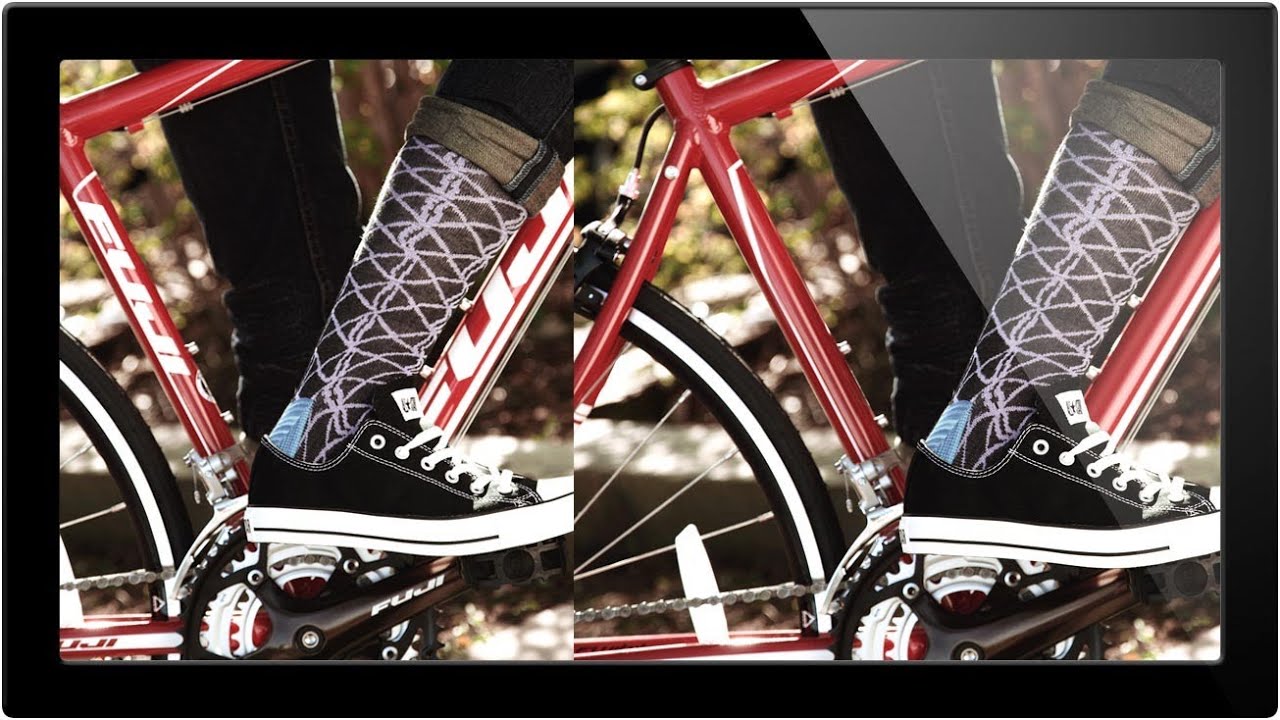
Most of my work lands in front of art directors who’ve seen every Photoshop trick in the book. When I show them a before-and-after with added light rays, the question is never “did you add that?” It’s “how did you do it so fast?” That’s the bar I care about: techniques that look intentional and take almost no time to execute. I came across this one in a Matt Kloskowski tutorial on painting light with Lightroom’s adjustment brush, and it earned a permanent spot in my toolkit within about ten minutes of watching it.

How I Built a Photoshop Automation Script That Processes 500 Product Shots While I Drink Coffee

How I Built a Photoshop Automation Script That Processes 500 Product Shots While I Drink Coffee

There’s a specific kind of misery that comes from doing the same crop 200 times in a row. I know this because I lived it, about twelve years ago, on a catalog shoot that ran long and left me alone in the studio at 11pm with a folder full of raw files and a deadline that didn’t care about my feelings. Every image needed the same treatment: crop to 2:3, resize to 1200px on the long edge, sharpen at 0.

Generative Fill vs. Content-Aware Fill: A Working Photographer's Guide to Removing Distractions in Photoshop

Generative Fill vs. Content-Aware Fill: A Working Photographer's Guide to Removing Distractions in Photoshop

Distraction removal is one of those tasks that sounds simple until you’re staring at a client’s hero shot with a rogue piece of equipment cutting through an otherwise clean frame. I’ve been in that position more times than I can count, and the solution has changed dramatically over the last few years. What used to require careful cloning, patch work, and a lot of crossed fingers has become something closer to a creative decision than a technical grind.

Freeze the Moment: How to Use Flash Duration and Shutter Speed Together for Sharp Action Shots

Freeze the Moment: How to Use Flash Duration and Shutter Speed Together for Sharp Action Shots

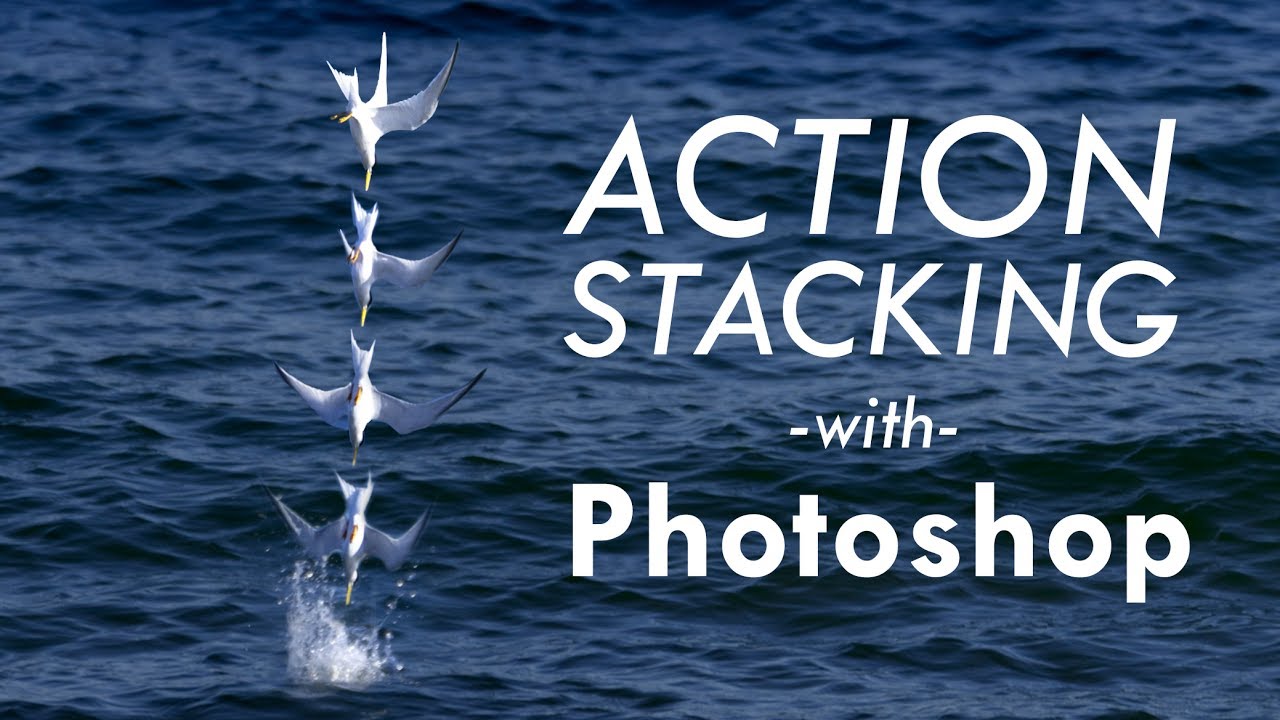
Action photography on location has a way of exposing every gap in your lighting knowledge. I’ve spent fifteen years in commercial studios where we had the luxury of controlling nearly every variable, but the moment a client wants something kinetic, something with real movement and energy, the comfortable math of a controlled environment goes sideways fast. Freezing motion with strobes sounds simple until you’re watching your subject blur against a background you actually want to see, and you realize your shutter speed and your flash are working against each other instead of together.

Presets Aren't Shortcuts — They're a Thinking Tool (Here's How to Use Them That Way)

Presets Aren't Shortcuts — They're a Thinking Tool (Here's How to Use Them That Way)

I’ll be honest with you. Early in my commercial work, I treated presets the way a lot of people do: click, hope, move on. I bought packs, applied them wholesale to client images, and wondered why the results felt borrowed rather than intentional. It took a few years of production pressure, and eventually watching people who actually knew what they were doing, to understand that presets are a diagnostic tool first and a finishing tool second.

Three Photoshop Tools That Finally Make Product Compositing Look Real

Three Photoshop Tools That Finally Make Product Compositing Look Real

Perspective has always been the thing that gives product composites away. You can nail the cutout, match the color grade, even add a convincing shadow, and the image still looks wrong because the object is sitting at an angle that nothing else in the scene shares. In commercial post-production, I’ve spent more hours than I care to count nudging Free Transform handles, eyeballing vanishing points, and making judgment calls that my clients’ art directors would later second-guess.

Why the FCC's DJI Enforcement Action Matters to Your Creative Workflow

Why the FCC's DJI Enforcement Action Matters to Your Creative Workflow

Why the FCC’s DJI Enforcement Action Matters to Your Creative Workflow I’ve been following the regulatory tightening around Chinese drone manufacturers, and things just got significantly more serious. The FCC recently announced enforcement actions against eight companies allegedly involved in bringing DJI technology into the U.S. market. For those of us who rely on streamlined workflows that include drone photography, this development deserves our attention. What’s Actually Happening The Federal Communications Commission has been investigating companies it believes failed to respond to official inquiries about importing and selling wireless products connected to DJI—the dominant drone manufacturer in consumer and professional markets.

Three Variables That Actually Freeze Action with Strobes (No High-Speed Sync Required)

Three Variables That Actually Freeze Action with Strobes (No High-Speed Sync Required)

Most of the photographers I work with in commercial studios assume you need high-speed sync to freeze a moving subject. It’s an understandable assumption. HSS is the obvious tool, it’s what the gear manufacturers push, and it sounds technically correct. But HSS comes with a real cost: it cuts your effective flash power significantly, which means you’re fighting for exposure before you’ve even started solving the motion problem. There’s a cleaner approach, and Jay P.

Work Smarter With Lightroom's Adjustment Brush: The Auto Mask Shortcut That Changes Everything

Work Smarter With Lightroom's Adjustment Brush: The Auto Mask Shortcut That Changes Everything

If you shoot anything that requires selective exposure adjustments — portraits, architecture, product work, anything with a foreground subject you want to separate from a background — you already know the adjustment brush is one of the most powerful tools in Lightroom and Camera Raw. You probably also know the frustration of painting too far, blowing past an edge, and having to redo a mask you spent five minutes building. That specific pain is what pulled me into Watch the full tutorial on YouTube from Matt Kloskowski, a photographer and educator whose approach to Lightroom workflow I’ve respected for years.

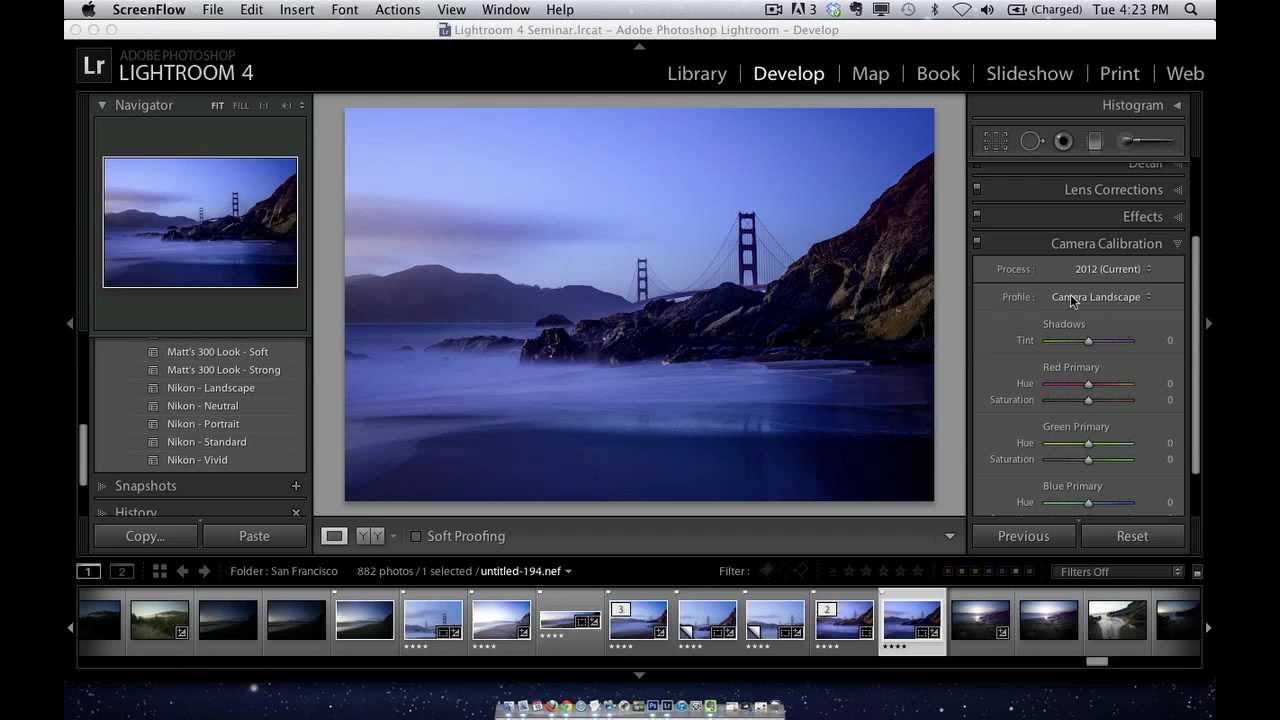
A Focused Lightroom Landscape Workflow That Respects Your Time

A Focused Lightroom Landscape Workflow That Respects Your Time

I have a bad habit of over-engineering things. Fifteen years in commercial studios will do that to you. I’ve built Photoshop action sets with 40 steps, color-coded folder structures across four backup drives, and batch pipelines that could process half a year’s worth of product shots before lunch. So when I come across a landscape photographer who strips a complex editing process down to only what actually matters, I pay attention.

HoneyBook's Fresh Photography Tools: What This Means for Your Creative Workflow

HoneyBook's Fresh Photography Tools: What This Means for Your Creative Workflow

I’ve been watching HoneyBook evolve over the past couple of years, and I have to say—their latest feature rollout genuinely impressed me. They’ve just unveiled a specialized toolkit designed specifically for photographers, and it’s worth paying attention to if you’re serious about streamlining your post-production-to-delivery pipeline. What’s Actually New Here? The platform now includes dedicated gallery tools and revamped invoicing features that speak directly to how photographers work. This isn’t generic CRM functionality forced into a photography context—it’s genuinely built with our workflow in mind.