How to Get Your Lightroom Classic Presets onto Your Phone in Three Steps

How to Get Your Lightroom Classic Presets onto Your Phone in Three Steps

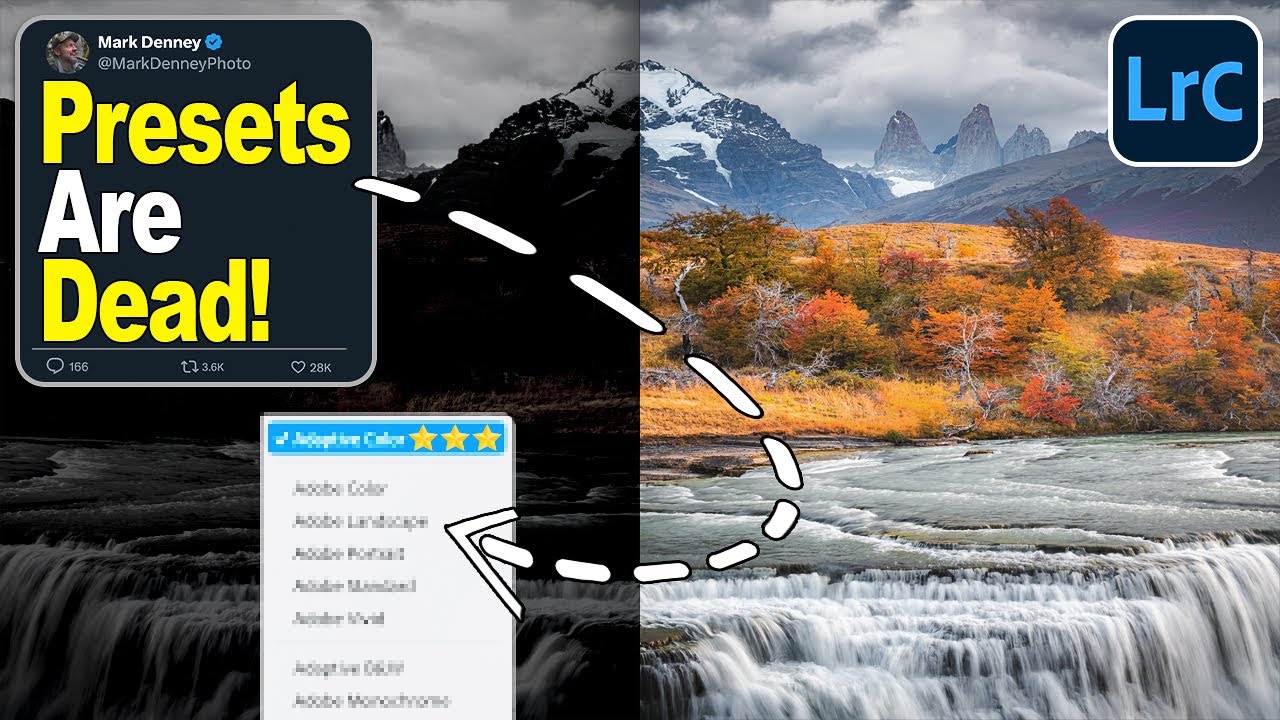
I spend a lot of time building systems so I don’t have to think twice on a deadline. Presets are a big part of that. Over the years I’ve developed a library of custom Lightroom adjustments tuned specifically for the kind of work I do – product photography, e-commerce, the occasional ad campaign. They live in Lightroom Classic, which is where I do all my serious editing. But more and more, clients want quick turnaround on selects reviewed from a phone, or they want me to make a light pass on tethered shots while I’m still on location.

Remove People From Photos Automatically: Lightroom's June 2025 AI Update Is the Real Deal

Remove People From Photos Automatically: Lightroom's June 2025 AI Update Is the Real Deal

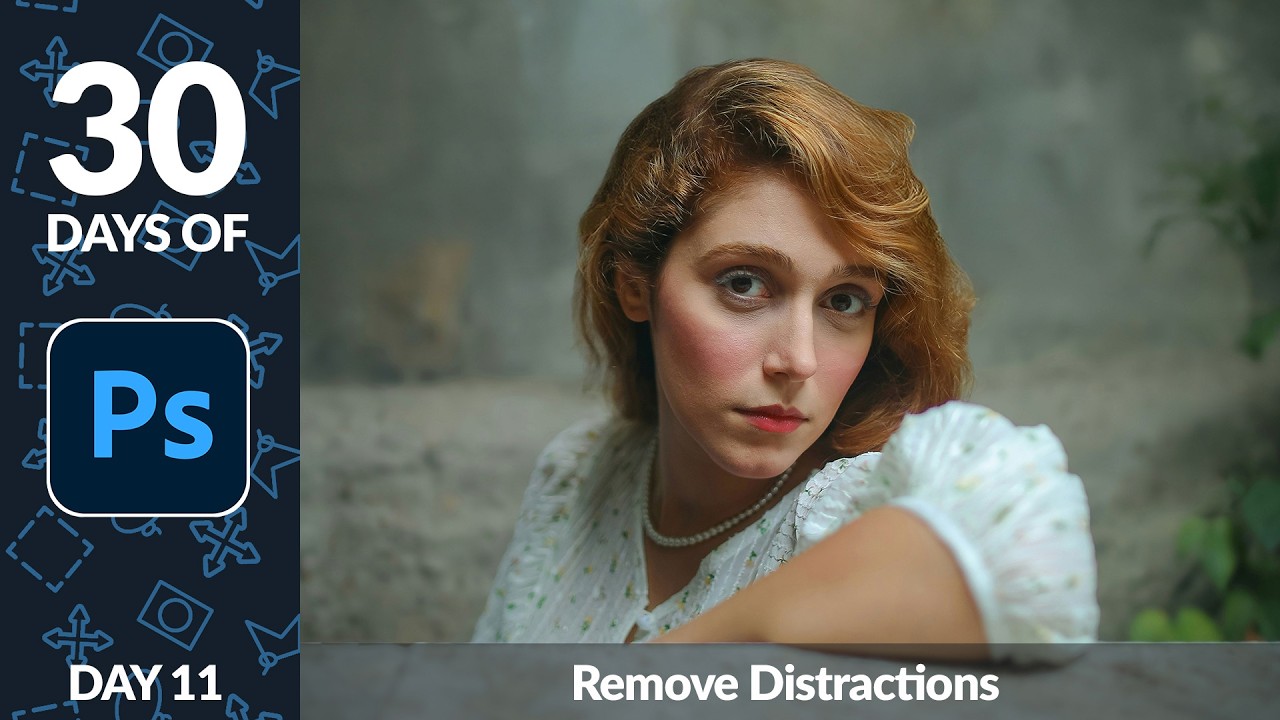
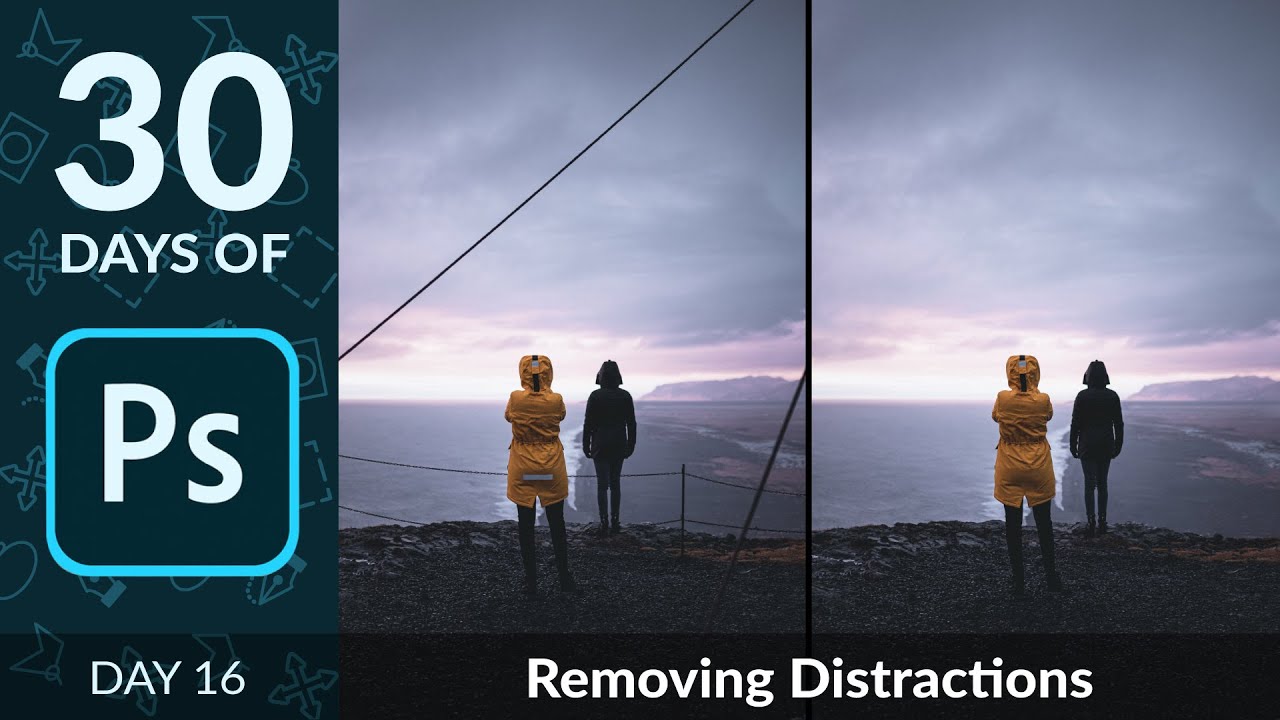
Every commercial shoot I run ends with the same conversation with a client: “Can you get rid of that person in the background?” Sometimes it’s a tourist, sometimes it’s a crew member who wandered into frame, sometimes it’s just a stranger whose presence undermines the whole composition. My answer used to involve a lot of time in Photoshop, careful masking, and Content-Aware Fill working harder than it wanted to. That workflow is not dead, but it just got a serious competitor.

What a Model Competition Show Teaches Us About Staying Composed Under Pressure (And What Jessica Kobeissi Had to Say About It)

What a Model Competition Show Teaches Us About Staying Composed Under Pressure (And What Jessica Kobeissi Had to Say About It)

There is a specific kind of chaos that shows up on set when the brief is unclear, the styling is questionable, and someone in a position of authority is asking loaded questions. I have been in that room. Early in my commercial studio days, I watched an art director try to bait a junior photographer into criticizing a client’s concept out loud, right in front of the client. The photographer who survived that moment did so by staying completely focused on the work and refusing to take the bait.

What Anne Geddes' 2016 Calendar Shoot Teaches Us About Directing and Capturing Unpredictable Subjects

What Anne Geddes' 2016 Calendar Shoot Teaches Us About Directing and Capturing Unpredictable Subjects

There’s a particular kind of pressure that comes with shooting a calendar. The deadline is fixed, the concept is locked, and every image has to carry weight on its own because each one gets thirty days of eyeball time on someone’s wall. I’ve assisted on enough commercial campaigns to know that the shoots that look the most effortless in the final product were usually the most exhausting to pull off. That’s exactly why I keep coming back to behind-the-scenes footage from photographers who’ve mastered that gap between chaos and control.

From Rope Photo to Pattern Brush: A Cross-App Workflow That Actually Holds Up

From Rope Photo to Pattern Brush: A Cross-App Workflow That Actually Holds Up

Most of my work lives inside repeatable systems. Actions, batch exports, preset pipelines built to survive a Monday morning with 300 product shots due by noon. But every so often a client brief lands that needs something handcrafted-looking, something with texture and physicality that a gradient overlay just cannot fake. That’s when brush work and pattern techniques become genuinely useful, not decorative exercises. This particular workflow came across my radar through Watch the full tutorial on YouTube from Kelvin Designs, where Kelvin walks through creating a seamless rope pattern in Photoshop and then applying it along a vector path in Illustrator.

LUTs in Lightroom Are More Powerful Than You Think (Especially With a Profile Intensity Slider)

LUTs in Lightroom Are More Powerful Than You Think (Especially With a Profile Intensity Slider)

If you do any volume of editing, you have probably felt the friction of applying a LUT-based look to still photos. LUTs live comfortably in Premiere and DaVinci, but getting them to behave inside Lightroom has historically required workarounds that feel more like duct tape than a real system. That problem gets worse when you work with clients who want their product photography and video content to feel like they came from the same shoot.

Sony A7V vs A7CII vs A7CR: A Working Photographer's Guide to Picking the Right Body

Sony A7V vs A7CII vs A7CR: A Working Photographer's Guide to Picking the Right Body

I’ve spent fifteen years in commercial studios where the wrong tool choice costs real money. Not hypothetical money. Actual rebooking fees, overtime, and the kind of conversation with an art director you never want to have twice. So when I’m evaluating gear, I’m not reading spec sheets for fun. I’m asking one question: does this fit the way I actually work? That’s why I kept coming back to this comparison from travel and adventure photographer Pierre T.

Test the Chaos First: Why Pre-Testing Unpredictable Elements Saves Complex Shoots

Test the Chaos First: Why Pre-Testing Unpredictable Elements Saves Complex Shoots

There’s a principle I’ve carried from studio work into every project I consult on now: the thing most likely to blow up your shoot is the thing you haven’t tested yet. Not the lighting, not the model’s availability, not the client’s last-minute brief changes. It’s the one physical or mechanical variable you assumed would “just work.” I’ve watched shoots grind to a halt because nobody confirmed whether a product would hold its shape under heat, or whether a fabric would move the way the mood board suggested.

Building a Timeless Lightroom Preset from Scratch: A Step-by-Step Breakdown

Building a Timeless Lightroom Preset from Scratch: A Step-by-Step Breakdown

There’s a specific kind of frustration I know well: you’ve shot a great set of portraits, the lighting is solid, the composition is clean, and then you spend 45 minutes in Lightroom pushing the same six sliders around until something feels almost right. Multiply that by a client gallery of 200 images and you’ve just lost half a day to guesswork. What I’ve always wanted is a preset built on principles, not trends – something I can actually understand, modify, and trust across different lighting conditions and subject types.

AI Presets in Lightroom: What They Actually Do and When to Use Them

AI Presets in Lightroom: What They Actually Do and When to Use Them

I track the hours my batch systems save me. Obsessively, actually — I’ve got a spreadsheet that currently sits at over 2,400 hours recovered from repetitive post-processing tasks. So when a tool promises to make presets smarter and faster, I pay attention. Not out of optimism, but because I’ve been burned before by “intelligent” features that just added extra steps in disguise. AI presets in Lightroom are different, and it took watching William Patino work through his own philosophy on them for me to fully articulate why.

How to Create Custom Adjustment Layer Presets in Photoshop (February 2024 Update)

How to Create Custom Adjustment Layer Presets in Photoshop (February 2024 Update)

If you’ve been building Photoshop workflows for any length of time, you already know that adjustment layers are the backbone of non-destructive editing. Brightness, contrast, curves, hue and saturation - these are the tools that do the heavy lifting on nearly every image I process, whether it’s a single hero shot for an ad campaign or a batch of 300 e-commerce frames. The problem, until very recently, was that the preset system inside the Adjustments panel was a one-way street.

Back Button Focus Is a Tool, Not a Religion — Here's How to Decide What's Right for You

Back Button Focus Is a Tool, Not a Religion — Here's How to Decide What's Right for You

I keep a spreadsheet that tracks every hour my Photoshop actions have saved me. I color-code my backup drives. I have a system for everything. So when I say that I spent years using a camera setting without ever stopping to ask whether it was actually helping me, that should tell you something about how deeply the mythology of back button focus runs in photography culture. Watch the full tutorial on YouTube