How to Build Photoshop Brushes That Actually Behave Inside Your Actions

How to Build Photoshop Brushes That Actually Behave Inside Your Actions

There’s a specific kind of frustration that hits when you run a batch action overnight, come back in the morning, and find that 200 files stopped processing at step 14 because a brush stroke looked completely wrong at a different canvas resolution. The opacity was off, the size was relative to nothing useful, and the texture that looked great at 3000 pixels wide was basically invisible at 1500. I’ve had that moment more than once, and it taught me something most brush tutorials skip entirely: brushes built for manual painting and brushes built for automated workflows are not the same thing, and they shouldn’t be designed the same way.

The Hidden Amount Slider That Changes How I Use Lightroom's Local Adjustments

The Hidden Amount Slider That Changes How I Use Lightroom's Local Adjustments

There’s a category of Lightroom feature I think of as “hiding in plain sight” — things that have been in the software for a while, that plenty of experienced editors have never noticed, and that quietly change the way you work once you find them. The Amount slider collapse in local adjustments is exactly that kind of feature. I stumbled across this tip in a recent tutorial from Matt Kloskowski, and my first reaction was genuine annoyance that I hadn’t known about it sooner.

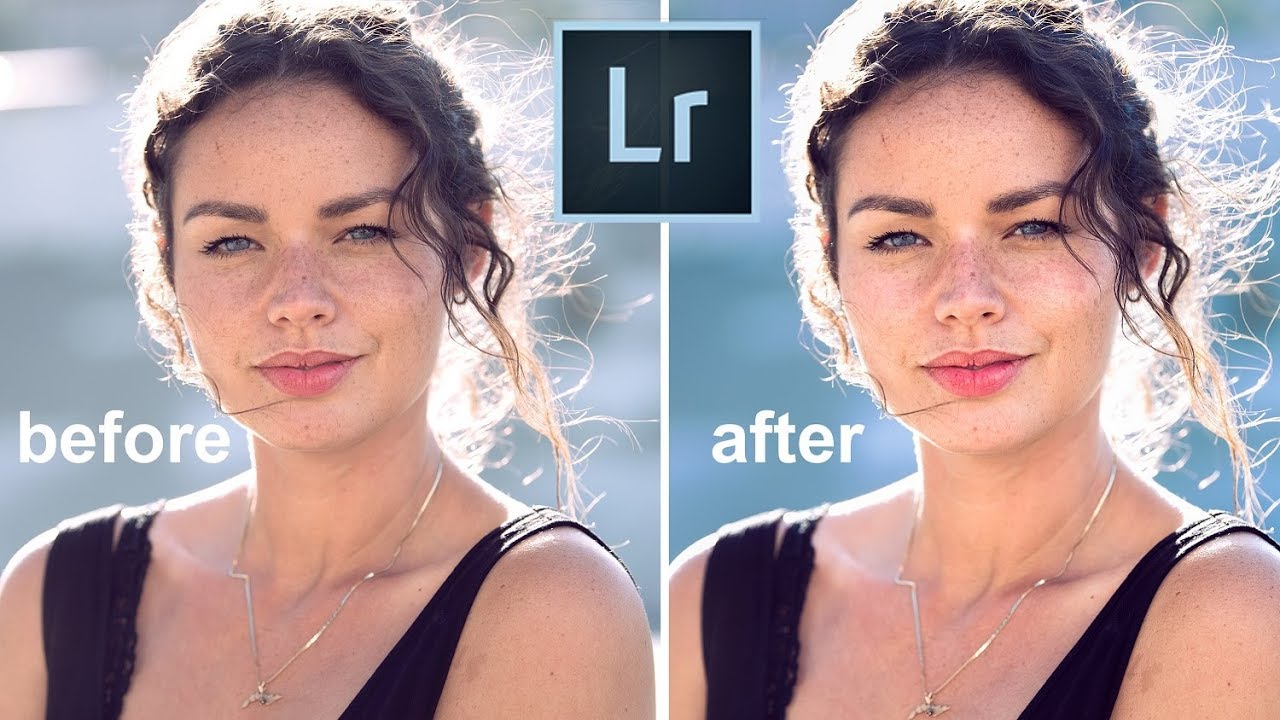
How to Make Digital Photos Look Like Film Using Lightroom Presets (Mango Street Method)

How to Make Digital Photos Look Like Film Using Lightroom Presets (Mango Street Method)

Most of my work is commercial. Ad agencies, e-commerce brands, product shoots where the goal is clean, accurate, and fast. But I still get briefs that ask for “something with a film feel,” and for years my answer was to dig through a folder of half-baked presets that each needed twenty minutes of manual correction before they looked right. That’s not a workflow. That’s wishful thinking. What I actually want is a preset that lands close on the first click and only needs minor exposure or shadow adjustments to finish the job.

How to Build Lightroom Presets That Actually Hold Up Across a Full Shoot

How to Build Lightroom Presets That Actually Hold Up Across a Full Shoot

I have a spreadsheet. It tracks every hour I’ve saved through automation across fifteen years of post-production work. The number is sitting above 2,400 hours right now, and a significant chunk of that comes from one deceptively simple habit: building reusable Lightroom presets before I start any serious editing session. When a client sends me 300 product shots from the same studio setup, I don’t want to be dialing in the same warm tone and compressed contrast curve by hand 300 times.

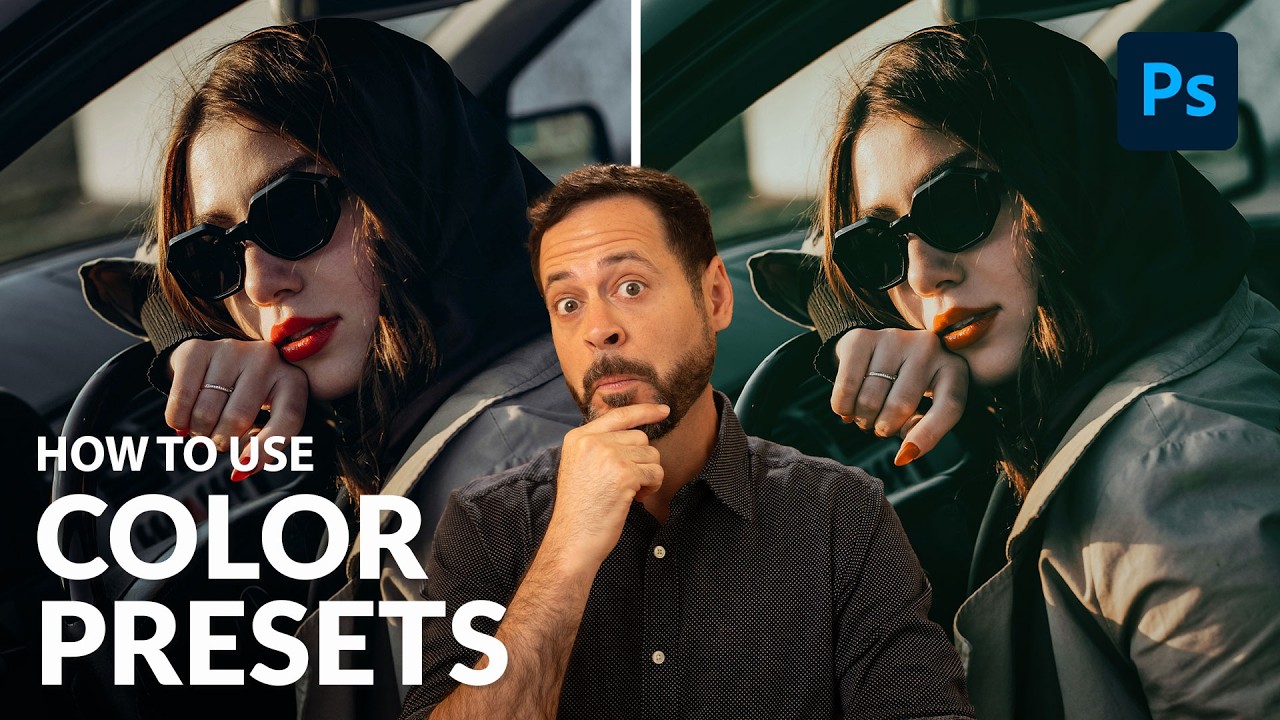
What Color Lookup Tables Actually Do (And Why Your Skin Tones Keep Breaking)

What Color Lookup Tables Actually Do (And Why Your Skin Tones Keep Breaking)

Last spring I was helping an e-commerce client audit their retouching pipeline. They had a freelancer applying the same “cinematic” LUT to every product image, flat lay to lifestyle shot to white-background apparel. The LUT looked great on the moody denim campaign it was built for. On a white t-shirt? It was pulling the highlights into a greenish gray and turning every skin tone the color of old mustard. Nobody had caught it because the freelancer was working fast and the art director was approving on a phone screen.

Lightroom Presets That Actually Respect Your Exposure: A Breakdown of Tony & Chelsea Northrup's Technical + Creative System

Lightroom Presets That Actually Respect Your Exposure: A Breakdown of Tony & Chelsea Northrup's Technical + Creative System

I have a spreadsheet that tracks every hour I’ve recovered through smarter post-production workflows. After fifteen years of processing images for ad agencies and e-commerce brands, I know exactly what bad preset design costs: blown exposures, wrecked color grades, and a growing sense of dread every time a client sends a folder of 800 RAW files. The specific problem I keep running into with off-the-shelf Lightroom presets is that they fight your exposure instead of working with it.

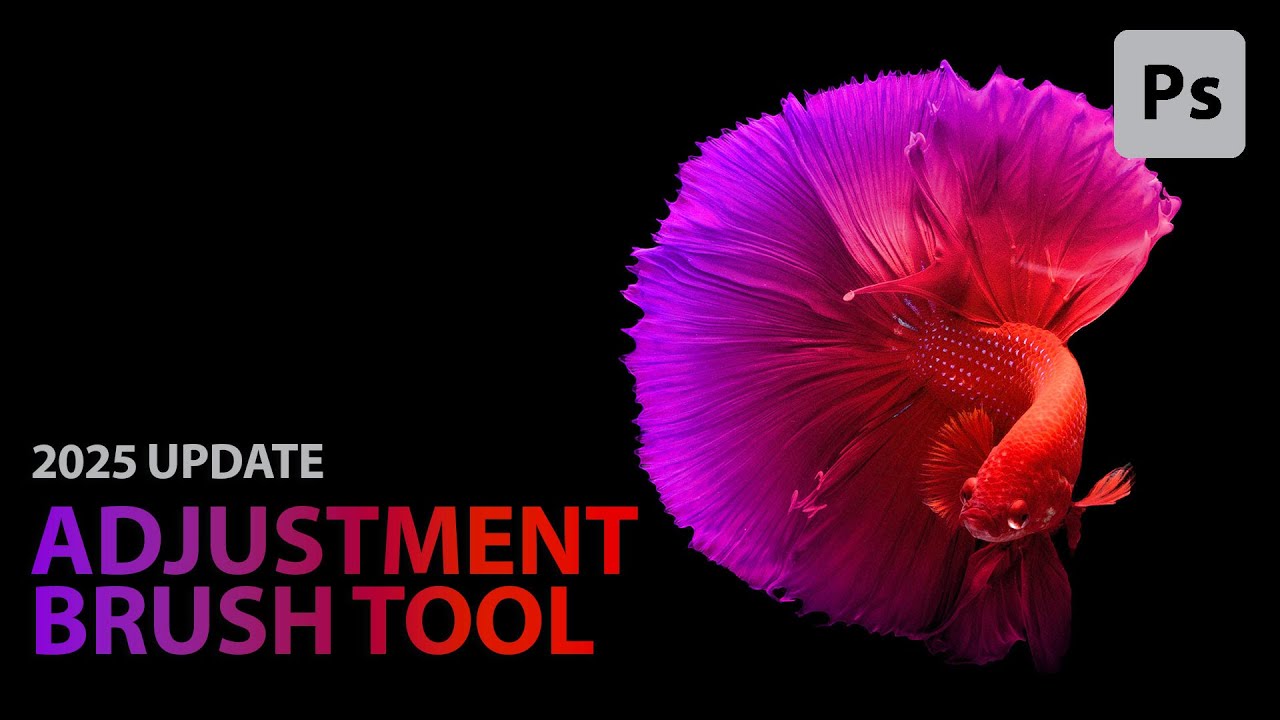
Photoshop 2025's Adjustment Brush Tool Is the Shortcut Your Masking Workflow Has Been Missing

Photoshop 2025's Adjustment Brush Tool Is the Shortcut Your Masking Workflow Has Been Missing

I run post-production for e-commerce and advertising clients, which means I spend a lot of time making isolated edits to specific objects in a photo. Change the color of that product. Brighten just this element. Keep everything else untouched. For years, my workflow for this was: create an adjustment layer, manually paint or refine a mask, adjust the settings, check the mask, fix the edges, repeat. It works. But it adds up fast when you’re moving through dozens of images in a session.

The Fastest Non-Destructive Color Grade in Photoshop (And It's Been There All Along)

The Fastest Non-Destructive Color Grade in Photoshop (And It's Been There All Along)

Color grading is one of those tasks that can swallow an afternoon if you let it. I know because I’ve let it. Early in my commercial work, I’d spend an hour tweaking HSL sliders on a single hero image, trying to land a cinematic look that matched a client’s mood board, only to have them request something warmer in the next round of feedback. Multiply that by a full product campaign and you start to understand why I became obsessed with building reversible, repeatable workflows.

Smart Objects Done Right: How to Build Photoshop Campaigns That Update Themselves

Smart Objects Done Right: How to Build Photoshop Campaigns That Update Themselves

If you work in commercial production long enough, you develop a sixth sense for fragile files. You know the ones. Five versions of a logo buried across twelve layers, each one manually resized, each one slightly different because someone eyeballed the transform. A client calls with a color change and suddenly you’re hunting through every PSD you built over the last three weeks. I’ve been there more times than I’d like to admit, and it’s the kind of workflow problem that quietly eats hours every month.

Beyond the Hype: Why AI Integration Could Actually Strengthen Your Creative Workflow

Beyond the Hype: Why AI Integration Could Actually Strengthen Your Creative Workflow

Beyond the Hype: Why AI Integration Could Actually Strengthen Your Creative Workflow I’ve been paying close attention to how photographers are talking about artificial intelligence these days, and honestly, the conversation feels one-sided. Everyone’s focused on worst-case scenarios—machines replacing creatives, algorithmic art flooding galleries, the erosion of what makes photography feel authentic. It’s understandable anxiety, but I think we’re missing something important. The Real Opportunity Most People Overlook Here’s what I’ve noticed: the most productive photographers aren’t scared of AI.

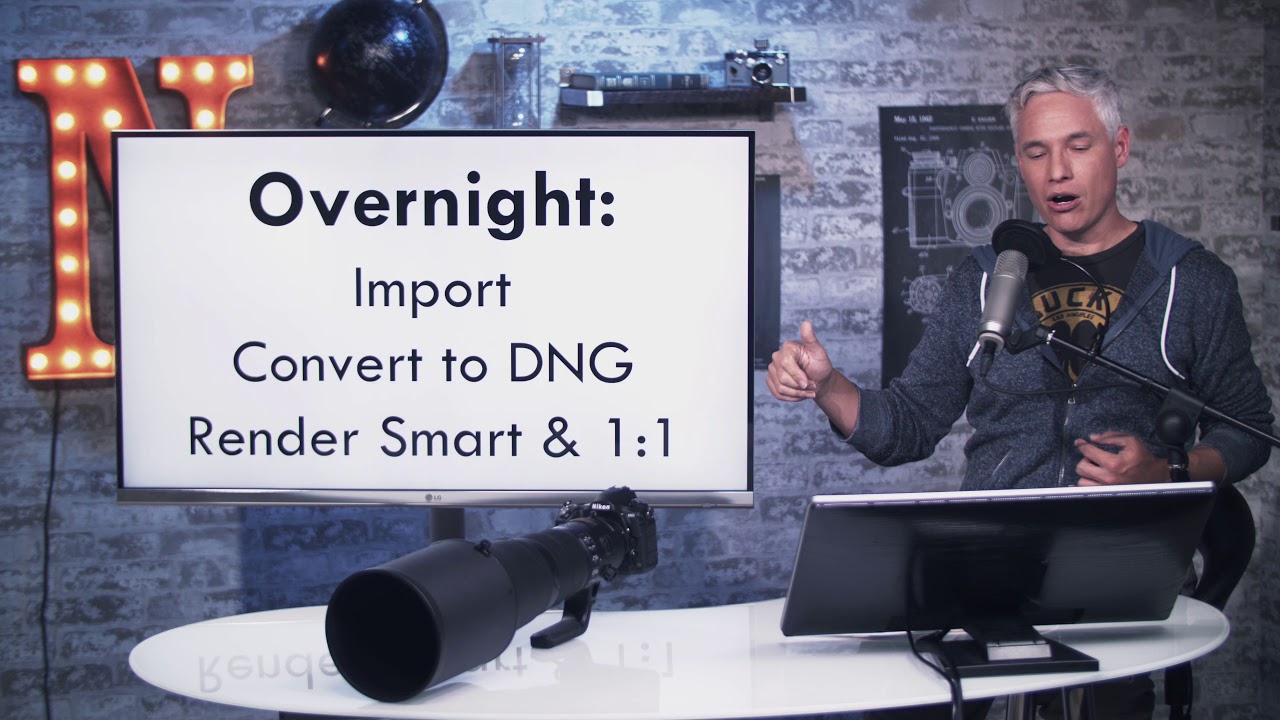
Ruthless by Design: Tony Northrup's Raw Workflow and What It Taught Me About Cutting the Fat

Ruthless by Design: Tony Northrup's Raw Workflow and What It Taught Me About Cutting the Fat

There is a specific kind of pain that comes from importing 1,500 forty-five megapixel raw files onto a laptop that was not built for the job. I know this pain. I have sat in hotel rooms at 11pm, waiting on a progress bar, knowing I still had to cull, edit, and deliver before a client call the next morning. Workflow is not a glamorous subject, but it is the thing that separates photographers who control their time from photographers whose time controls them.

How to Properly Clean Oil Paint Brushes (And Why It's Worth Doing Right)

How to Properly Clean Oil Paint Brushes (And Why It's Worth Doing Right)

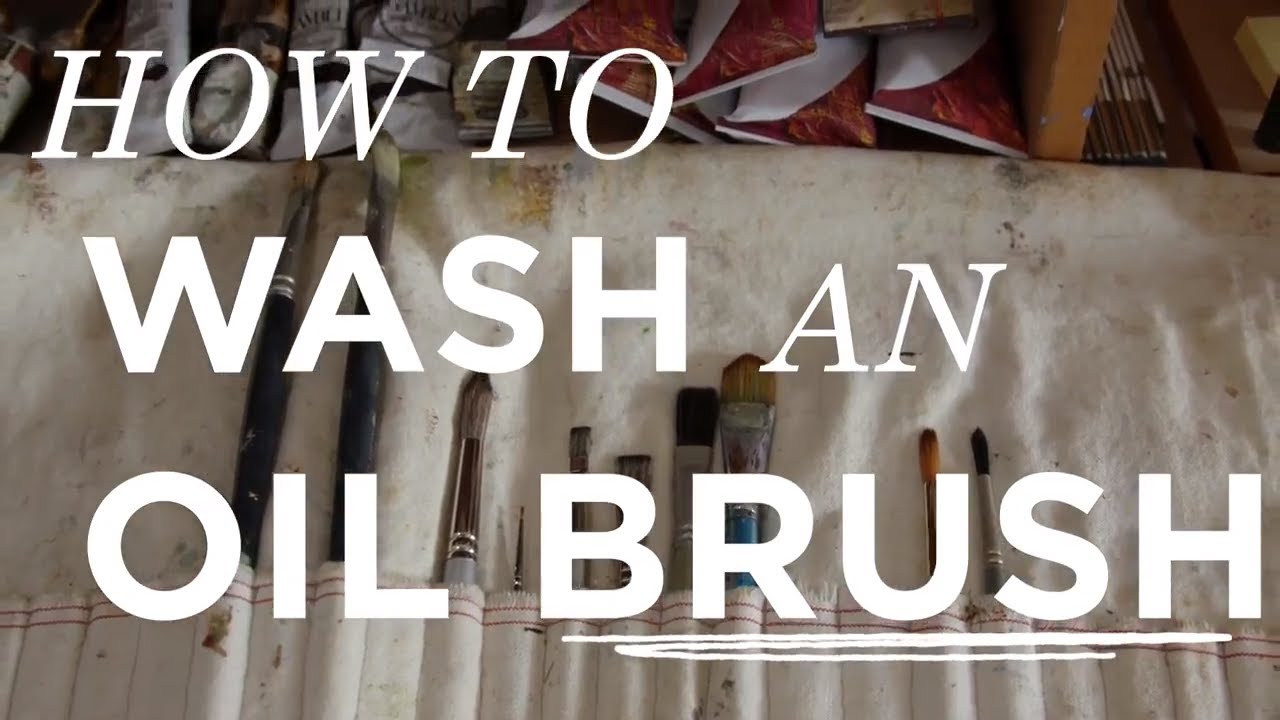
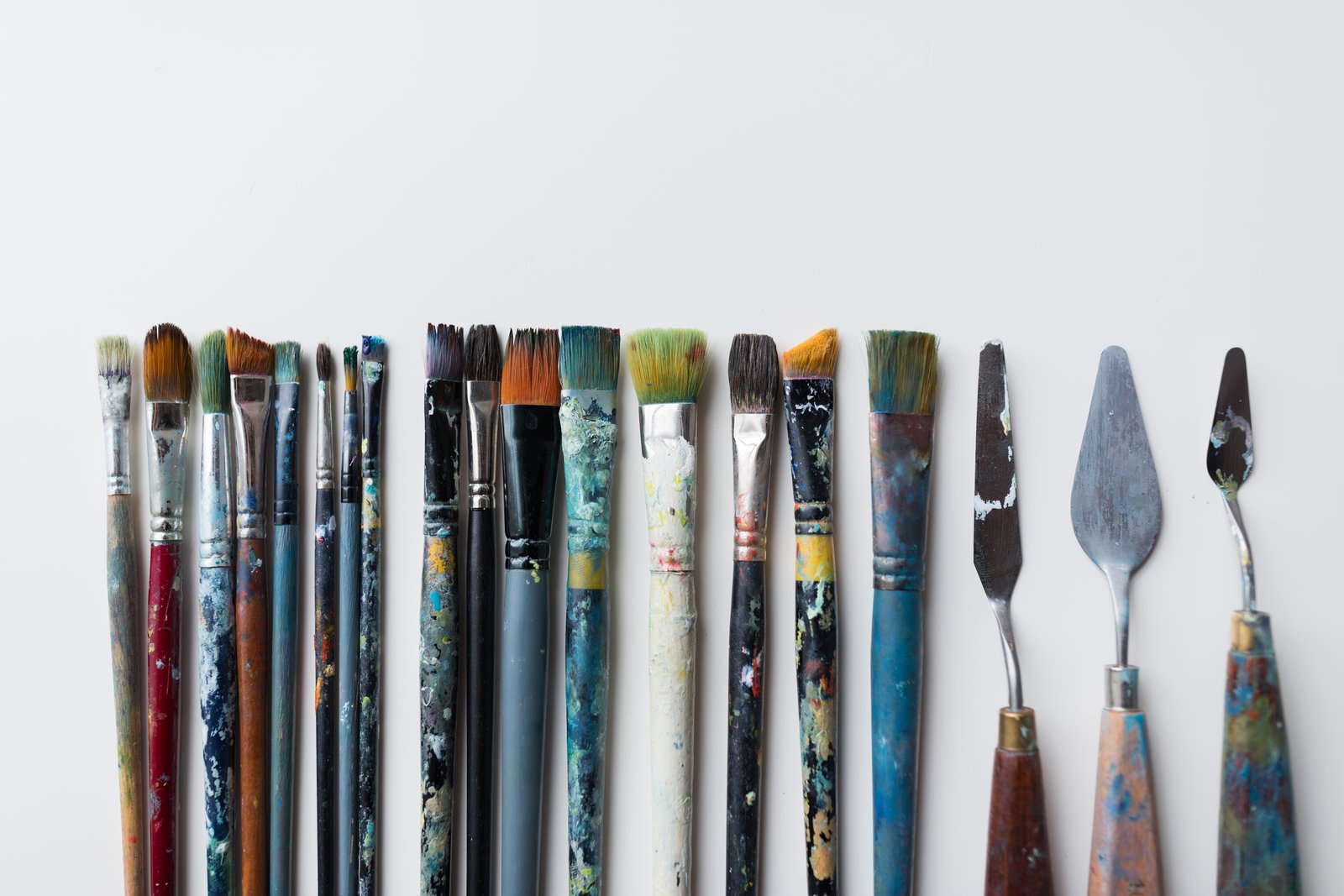
I spend most of my working life thinking about digital workflows, but I’ve been painting on weekends for about three years now, and I’ll admit I destroyed two perfectly good oil brushes in my first month simply by not knowing how to clean them properly. Oil paint is not watercolor. You cannot rinse a loaded bristle brush under the tap and call it done. The paint hardens, the bristles splay, and what was a precise filbert becomes something that looks like it lost a fight with a ceiling fan.