How Tenebris Somnia Blends Live-Action and Pixel Art Horror—A Visual Effects Workflow Study

How Tenebris Somnia Blends Live-Action and Pixel Art Horror—A Visual Effects Workflow Study

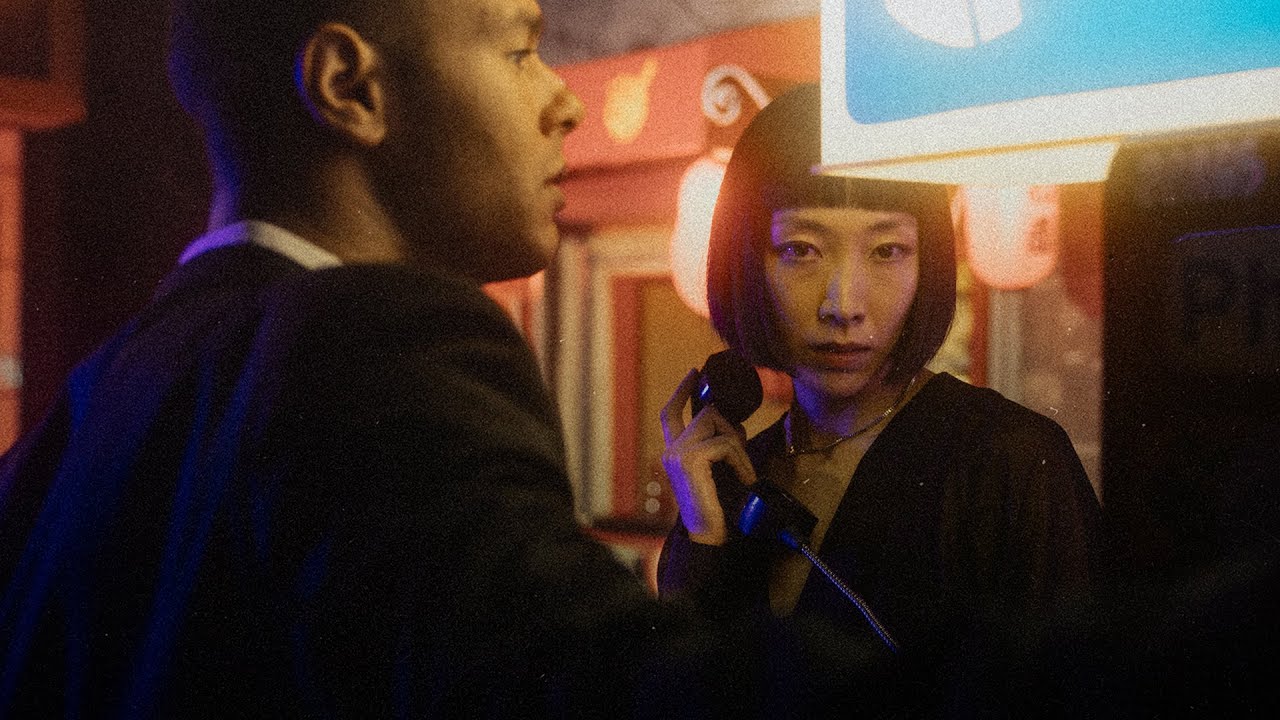
When Two Visual Worlds Collide I’ve been following the development of Tenebris Somnia closely, and what Airdorf and Andrés Borghi are attempting is genuinely ambitious from a visual workflow perspective. They’re not just making a horror game—they’re engineering a collision between retro pixel art and live-action cinematography. Launching October 16, this project represents something I find endlessly fascinating: how modern creators are deconstructing the “rules” of visual design. The Challenge of Dual Aesthetics What strikes me most about this approach is the workflow complexity it demands.

How Photoshop's Dynamic Text Tool Finally Solves the Text-Behind-Subject Problem

How Photoshop's Dynamic Text Tool Finally Solves the Text-Behind-Subject Problem

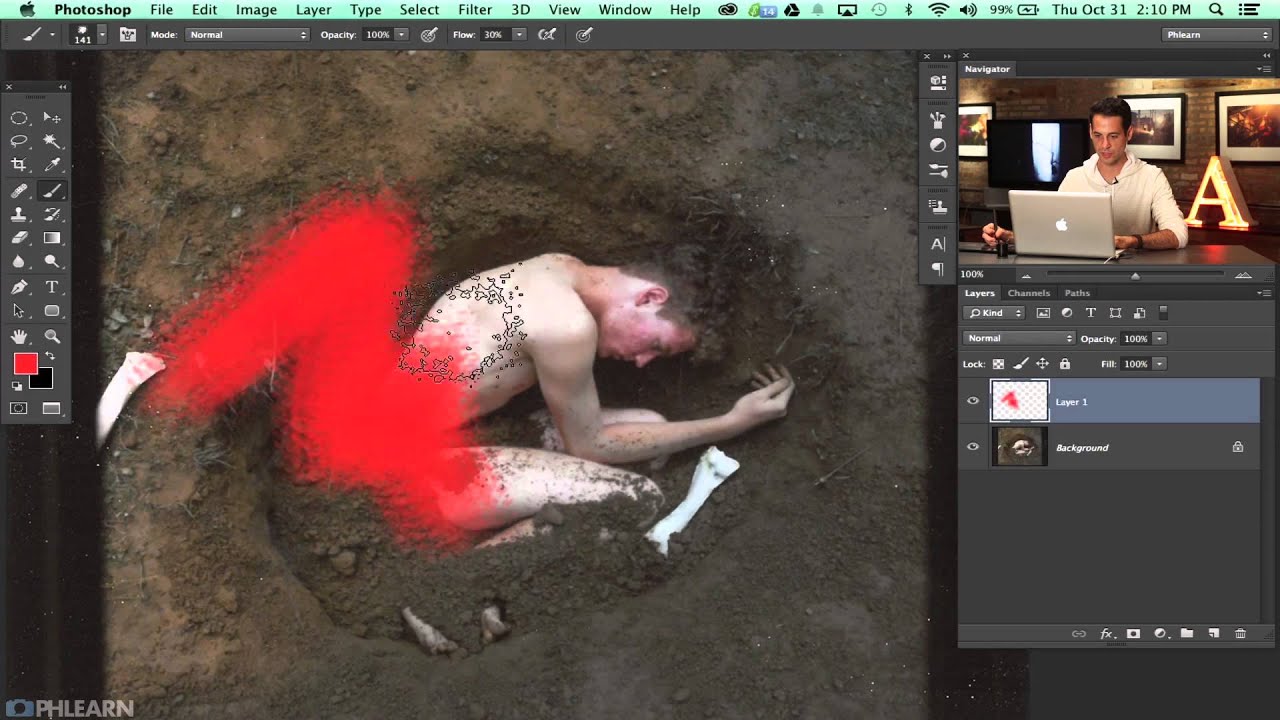
Every few months a client asks for that “text wrapping around a person” look — the kind you see on magazine covers and concert posters where the headline feels like it exists in the same physical space as the subject. For years I handled it with selection masks, layer clipping, and a level of manual fiddling that didn’t exactly scale when I had a deadline. So when I saw PHLEARN drop a one-minute tutorial on the new Dynamic Text Tool in Photoshop 2026, I stopped what I was doing and watched it twice.

Why Your Photoshop Presets Are Probably Fighting Your Workflow (And How to Build Ones That Don't)

Why Your Photoshop Presets Are Probably Fighting Your Workflow (And How to Build Ones That Don't)

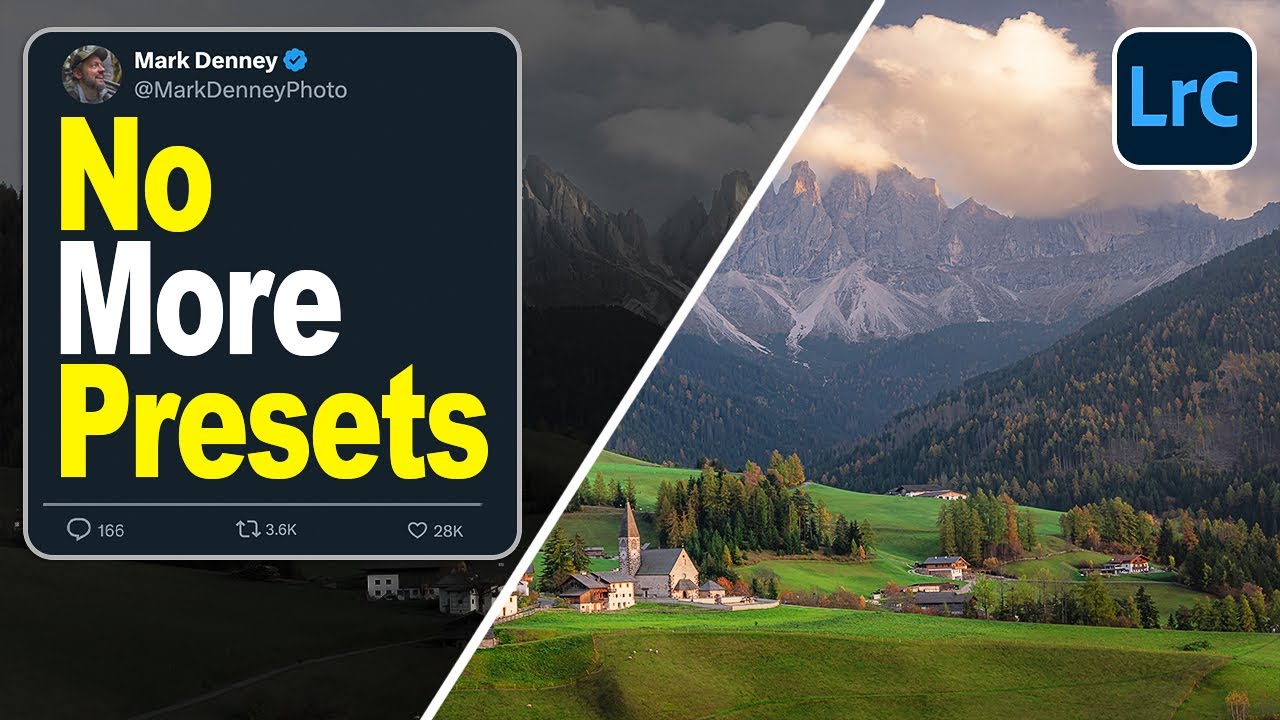
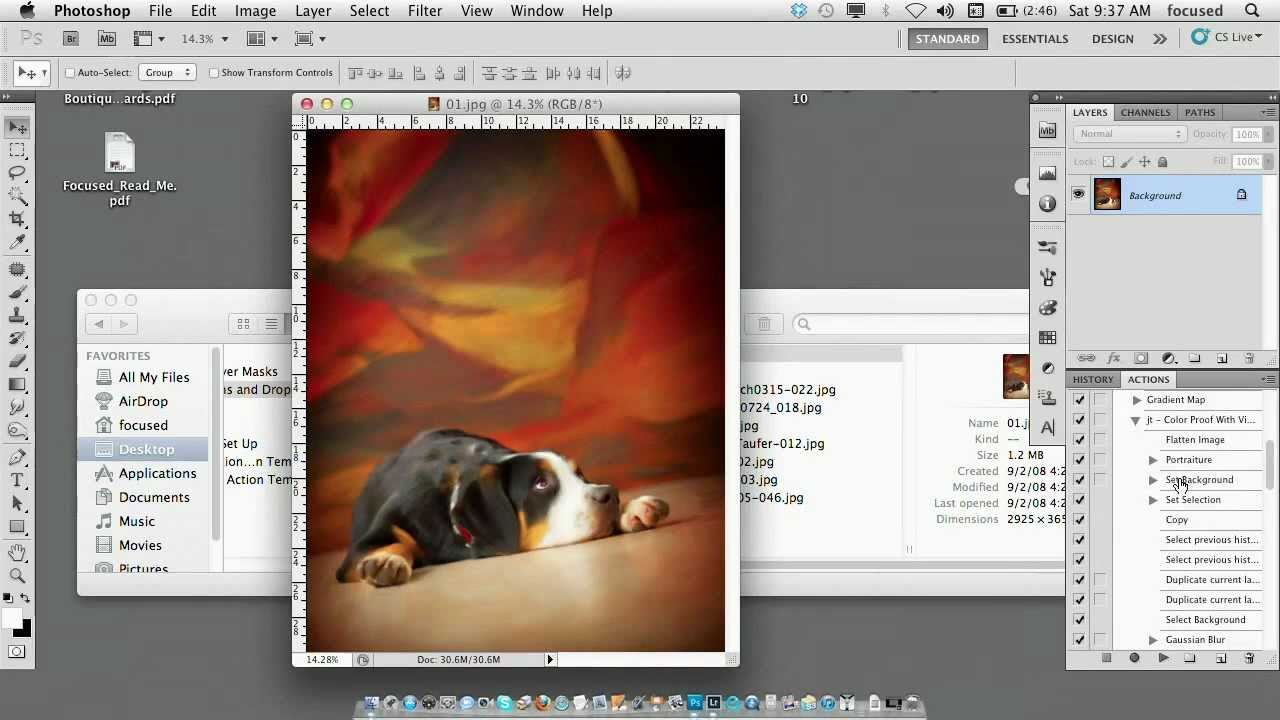
The first time I realized my presets were working against me, I was three hours into a 200-image e-commerce job for a Chicago ad agency. I’d built what I thought was a bulletproof export action: sharpen, resize to 2000px on the long edge, convert to sRGB, save as JPEG at quality 10. Clean. Logical. The problem was the client’s web platform wanted 1600px, their email team wanted 800px, and their print vendor wanted TIFFs at 300 DPI.

Photoshop's Updated Remove Tool Is the Closest Thing to Magic I've Added to My Workflow

Photoshop's Updated Remove Tool Is the Closest Thing to Magic I've Added to My Workflow

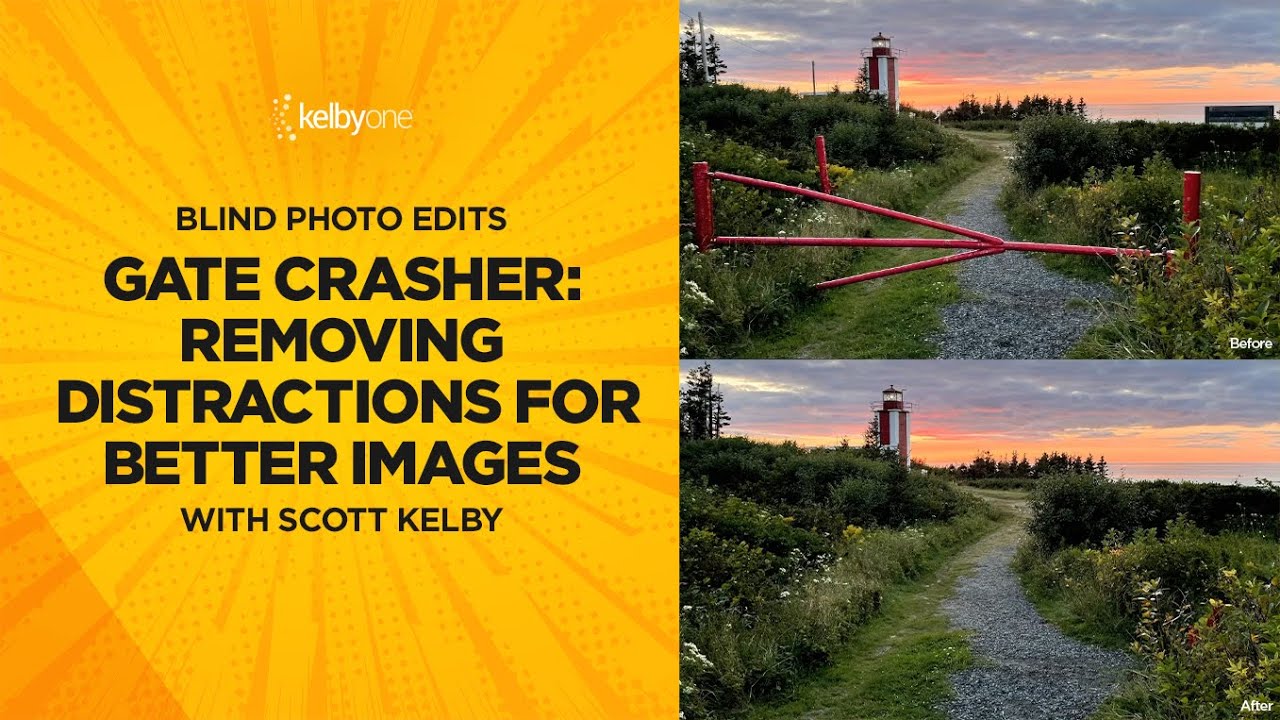
I track time obsessively. Not in a vague, “I should be more productive” way, but in a literal spreadsheet-with-color-coded-columns way. So when a tool promises to save hours on a task I repeat constantly across client work, I pay attention immediately. The Remove Tool in Photoshop has always been solid, but the latest update pushes it into genuinely different territory. Instead of painting over distractions manually one by one, Photoshop can now scan your entire image, identify what doesn’t belong, and remove it all in a single operation.

What AI-Generated Cinema Means for Digital Creators Using Presets and Actions

What AI-Generated Cinema Means for Digital Creators Using Presets and Actions

AI Takes Center Stage at Tribeca The upcoming Tribeca Film Festival is making headlines for premiering something genuinely unprecedented: a full-length feature film created entirely through AI generation. No human actors. No traditional cinematography. Just machine learning and algorithms doing the heavy lifting from start to finish. When I first heard about this, my immediate thought wasn’t just about filmmaking—it was about what this signals for all of us working in digital content creation spaces.

How I Built a Batch Automation System That Processed 500 Product Shots in One Afternoon

How I Built a Batch Automation System That Processed 500 Product Shots in One Afternoon

The job came in on a Thursday. Five hundred product images, all needing the same treatment: background removal, shadow drop, color correction to a specific brand profile, resize to 2000x2000 at 72dpi, and export as sRGB JPEGs under 500KB each. The client needed them by Monday morning. A few years ago, that would have meant a miserable weekend. Instead, I had them done by 4pm Friday and spent the rest of the afternoon with my kids.

How AI-Powered Home Automation Is Reshaping Visual Content Workflows

How AI-Powered Home Automation Is Reshaping Visual Content Workflows

The Convergence of Home Tech and Creative Tools I’ve been watching Google’s Gemini integration closely, and there’s something genuinely interesting happening at the intersection of smart home technology and creative workflows. The latest update lets Gemini analyze what your home cameras are seeing and automatically trigger routines based on visual recognition. While this sounds like a smart home story on the surface, I think photographers and video creators should pay attention to what’s really happening here.

Apple's Display Calibration Just Got Easier: What This Means for Your Color Workflow

Apple's Display Calibration Just Got Easier: What This Means for Your Color Workflow

Finally, a Colorimeter That Works With Apple’s System I’ve been waiting for this moment. After years of watching photographers jump through hoops to calibrate their Apple displays properly, we finally have a breakthrough. Calibrite’s Display Plus HL has just received approval to work directly with Apple’s hardware-based display calibration workflow—and it’s the first colorimeter to do so. This isn’t just a minor update. It’s a significant shift in how Mac-based photo editors can approach color management.

From Practical Effects to Digital: How Action Directors Are Rethinking Visual Workflows

From Practical Effects to Digital: How Action Directors Are Rethinking Visual Workflows

The Bridge Between Set and Screen I’ve been following the evolution of how filmmakers approach post-production workflows, and there’s a fascinating trend emerging: directors are increasingly treating their digital pipelines like practical effects setups. Rather than relying solely on standard presets and default settings, they’re engineering custom workflows that mirror decisions they’d make on a physical set. This shift caught my attention recently when I learned about how action directors are now applying hands-on cinematography thinking to their Photoshop and color grading work.

Depth Masking in Camera Raw Is the Portrait Separation Trick I Wish I'd Had Years Ago

Depth Masking in Camera Raw Is the Portrait Separation Trick I Wish I'd Had Years Ago

Portrait work has a specific problem that product photography mostly avoids: the subject and background often share tones, colors, and edges that make clean separation genuinely painful. I’ve spent embarrassing amounts of time pushing luminosity masks and refining hair edges on location portraits where the background foliage was nearly the same brightness as the subject’s jacket. If you’ve been doing this work for any length of time, you know that the “select subject” button is great until it isn’t, and “isn’t” happens constantly with real-world portraits shot in natural environments.

Stop Treating ISO Like a Setting You Choose — Let It Work For You

Stop Treating ISO Like a Setting You Choose — Let It Work For You

I’ve spent fifteen years in commercial studios where the light is controlled, repeatable, and exactly where you put it. So when I started taking my camera outside, the constantly shifting light genuinely caught me off guard. Not because I didn’t understand exposure, but because I kept rebuilding it from scratch every few minutes like some kind of Groundhog Day nightmare. Adjust ISO, check the meter, tweak again. Meanwhile the shot I actually wanted had already moved on.

How AI-Powered Workflow Optimization is Reshaping Creative Automation

How AI-Powered Workflow Optimization is Reshaping Creative Automation

The AI Revolution Hitting Creative Workflows I’ve been watching the creative software landscape closely, and I’m genuinely excited about where things are heading. Google just rolled out a suite of AI-powered features designed to streamline complex workflows, and honestly? The implications for digital creators go way beyond what they’re positioning it for. What Google is doing with their Gemini for Science collection mirrors something I’ve been preaching here for years: automation and intelligence should work together to eliminate repetitive friction.